Artificial intelligence continues to redefine how information is created, shared, and believed. While synthetic media has fueled creativity and innovation, it has also created one of the most complex digital threats of our time: deepfakes. From misinformation campaigns to identity theft, the rapid rise in AI-driven content manipulation has made global detection and defense more urgent than ever.
This report summarizes the state of deepfake activity in 2025, including key trends, emerging manipulation techniques, real-world examples, and recommendations for organizations and policymakers seeking to respond effectively.
1. Deepfake Activity: 2024–2025 Overview
Over the past year, deepfake incidents have accelerated across social, political, and corporate environments. Global deepfake activity increased by an estimated 68% year-over-year, with a notable rise in coordinated misinformation operations, financial fraud attempts, and impersonation-based cyberattacks.
Key Statistics (2025):
- Over 1.4 million deepfake videos detected online — up from 830,000 in 2024.
- 82% of known cases involved non-consensual or harmful content.
- 27% were tied to fraud, phishing, or brand impersonation.
- Average time-to-detection improved by 35% thanks to emerging AI detection systems and cross-platform data sharing.
While synthetic media remains a creative tool for film, marketing, and education, malicious actors are scaling faster than detection systems can fully adapt.
2. Emerging AI Manipulation Techniques
Deepfake technology has evolved far beyond face-swapping. New models are capable of generating full-body motion mimicry, real-time voice cloning, and contextual behavioral synthesis that mimics not just appearance, but emotional tone and reaction.
Emerging Trends Include:
- Multi-Modal Deepfakes: Combining voice, video, and text manipulation to create cohesive fabricated personas.
- Real-Time Streaming Deepfakes: Used in video calls and livestreams to impersonate executives or trusted partners.
- Audio-Only Impersonation: Advanced voice cloning models with <10 seconds of training audio.
- Synthetic News Anchors & Influencers: AI-generated media personalities used in disinformation campaigns.
These advances make it increasingly difficult for traditional verification methods—like facial forensics or metadata tracking—to detect AI-generated fabrications.
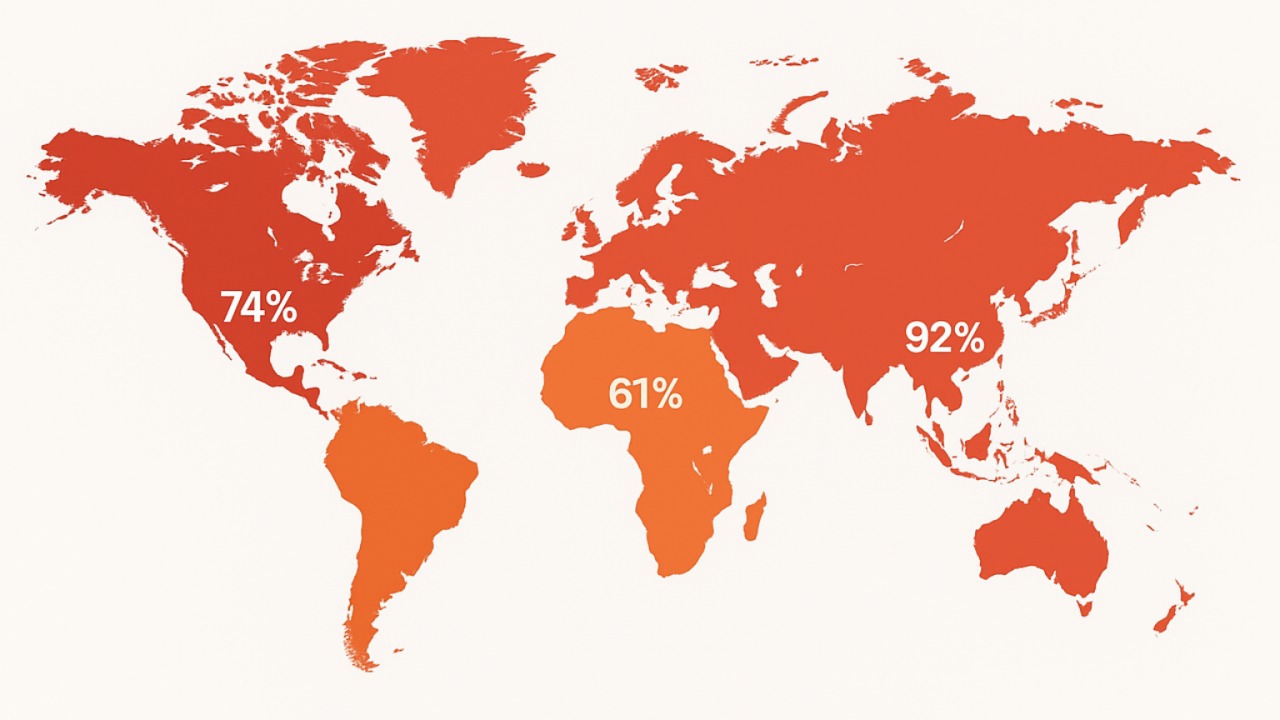
3. Global Heatmap: Where Deepfakes Are Rising Fastest
According to EvoTech’s analysis of 2024–2025 incident data, deepfake-related threats are growing across all regions, but certain areas are experiencing especially sharp increases.
Regional Hotspots:
- North America: Corporate and political deepfakes surged 74%, especially around elections and brand fraud.
- Europe: GDPR and Digital Services Act enforcement have improved detection transparency, but incidents still rose 53%.
- Asia-Pacific: The fastest-growing region, with 92% growth, driven by social platform manipulation and fraud.
- Middle East & Africa: Growth of 61%, primarily tied to misinformation during regional conflicts and scams targeting NGOs.
4. Real-World Examples
- Financial Fraud – “CEO Call Scam” (2025): A Hong Kong-based finance director authorized a $25 million transfer after receiving what appeared to be a live video call from their CEO. It was later revealed to be a real-time AI deepfake.
- Political Manipulation – Election Disinformation: In early 2025, several synthetic video clips depicting European political leaders making false statements circulated widely before being debunked. Though identified as deepfakes within 48 hours, the damage to public trust was significant.
- Celebrity Endorsement Scams: Brands and consumers continue to be targeted by deepfake ads featuring AI-generated celebrities promoting products they never endorsed, especially on emerging short-form video platforms.
5. Detection and Defense: How Technology Is Fighting Back
The fight against deepfakes is advancing on multiple fronts. AI-driven detection systems are improving accuracy through multimodal analysis, watermarking, and federated learning.
Key Detection Innovations:
- DeepFake Detection APIs: Lightweight models capable of scanning live or recorded video streams with <1-second latency.
- Behavioral Signature Analysis: Detecting AI artifacts through microexpression and timing anomalies.
- Blockchain Verification: Content provenance tracking ensures media authenticity from creation to publication.
- Cross-Platform Intelligence Sharing: Collaborative databases that flag known manipulated media before public dissemination.
EvoTech’s Evolution 1.0 software contributes to this effort by helping governments, media outlets, and enterprise clients rapidly identify and neutralize synthetic threats in real time.
6. Policy & Technology Recommendations
For Governments:
- Enforce synthetic content labeling and provenance disclosure laws.
- Fund AI threat intelligence sharing programs across borders.
- Support digital literacy education to help citizens identify synthetic media.
For Businesses:
- Adopt deepfake detection APIs to protect communications and brand image.
- Establish verification policies for financial transactions and virtual meetings.
- Train employees on emerging AI manipulation risks.
For Technology Providers:
- Integrate content authenticity infrastructure (CAI) standards.
- Collaborate with regulatory agencies on ethical AI frameworks.
- Expand open-source threat intelligence datasets to improve model accuracy.
7. Looking Ahead
The deepfake landscape in 2025 reflects a critical juncture: AI-generated content will continue to grow in both sophistication and accessibility. The question is no longer if you will encounter synthetic media, but how prepared your organization is to identify and respond to it.
At EvoTech, we believe the future of AI authenticity depends on transparency, collaboration, and innovation. By investing in both defensive technology and ethical standards, we can safeguard truth in the digital age.
About EvoTech
EvoTech is a leader in synthetic media detection and AI authenticity verification. Our DeepFake Assist within Evolution 1.0 empowers governments, media, and enterprises to detect, trace, and neutralize AI-driven manipulation in real time.